
Manufacturing Process Automation UK
Manufacturing process automation is transforming the way UK factories operate. At Position Automation, we design systems that consolidate up to 10 separate manual processes into a single, precise, and efficient automated solution. Furthermore, every system we commission is built around lean manufacturing principles, reducing waste, improving flow, and maximising output without adding labour.
What Is Manufacturing Process Automation?
Manufacturing process automation uses intelligent machines to perform production tasks previously completed by hand. Therefore, repetitive, manual, and time-consuming operations become consistent, fast, and reliable. As a result, manufacturers achieve higher output with fewer resources. Furthermore, automated systems operate continuously – including overnight, without compromising quality or consistency.
Consolidating Manual Processes Into a Single System
One of our UK clients previously managed nine separate manual processes across their aluminium production line. Therefore, we commissioned a single automated system that handled all nine operations in one continuous cycle. As a result, throughput increased significantly and floor space requirements reduced. Furthermore, the client achieved lights out capability – running production overnight without any operator on the floor.
Manufacturing Process Automation for Lean Environments
Lean manufacturing demands the elimination of all non-value-adding steps. Therefore, automating repetitive manual processes directly supports lean principles. For example, combining cutting, drilling, punching, and ejection into a single automated cycle removes four separate manual handling steps simultaneously. Furthermore, ERP integration ensures production data flows directly from planning to machine, eliminating paperwork and manual data entry.
Where to Start With Manufacturing Process Automation
Most manufacturers do not need to automate everything at once. However, identifying the highest-impact bottleneck is the best starting point. Therefore, we recommend beginning with a no-obligation site visit. As a result, our engineers can identify the processes where automation delivers the fastest and most measurable return. Furthermore, a phased approach allows manufacturers to scale automation gradually without disrupting existing operations.
Lights-Out Aluminum Processing Machine
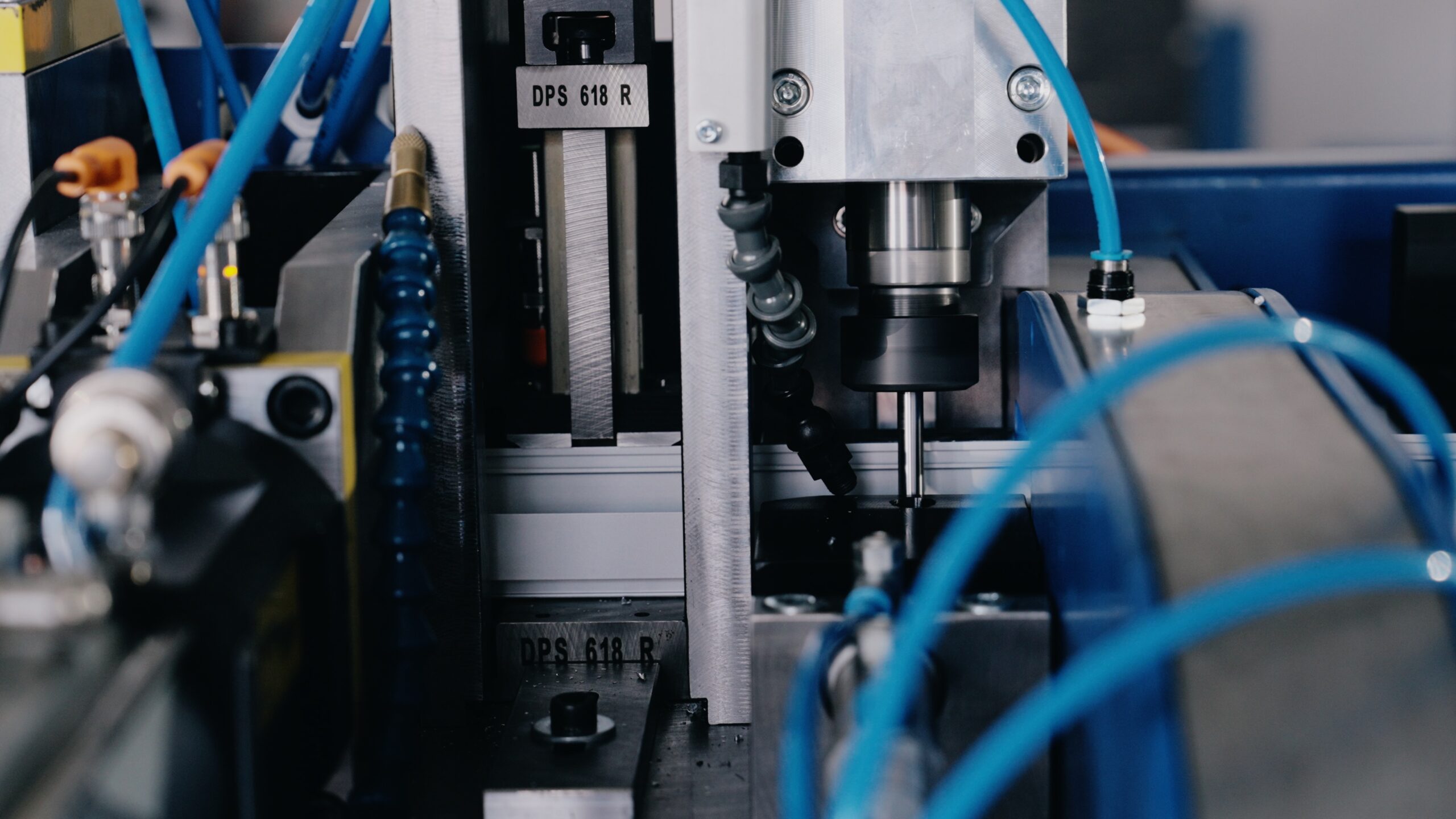
From automatic tooling verification to 3D printed guiding tools, every step is engineered for speed, accuracy, and zero waste. The machine laser marks, punches, drills, shears, and cuts with digital precision, delivering perfectly machined profiles ready for packaging or assembly.
FAQ
Q: How many processes can be consolidated into one automated system?
A: We have consolidated up to 10 separate manual processes into a single automated system for UK manufacturers.
Q: How do I know if my factory is ready for process automation?
A: If any process feels more manual than it should be, it is worth exploring. Our site visit identifies the best opportunities quickly.
Q: Does manufacturing process automation work for small batch production?
A: Yes. Our bespoke systems handle varying batch sizes, with programmable parameters for quick changeovers.
Conclusion
Manufacturing process automation is the most effective route to a leaner, more productive factory floor. Contact Position Automation today and let our engineering team identify where automation can make the biggest difference for your business.
